



Charging and discharging batteries is a chemical reaction, but Li-ion is claimed to be the exception. Battery scientists talk about energies flowing in and out of the battery as part of ion movement between anode and cathode. This claim carries merits but if the scientists were totally right, then the battery would live forever. They...
Nowhere is ultra-fast charging in bigger demand than with the electric vehicle. Recharging an EV in minutes replicates the convenience of filling 50 liters (13 gallons) of fuel into a tank that delivers 600kWh of energy. Such large energy storage in an electrochemical device is not practical as a battery with such a capacity would w...
The recommended storage temperature for most batteries is 15°C (59°F); the extreme allowable temperature is –40°C to 50°C (–40°C to 122°F) for most chemistries. While lead acid must always be kept at full charge during storage, nickel- and lithium-based chemistries should be stored at around a 40 percent state-of-charg...
Batteries for power tools and other commercial devices can often be repaired by replacing one or all cells. Finding a replacement cell in NiMH is relatively easy; locating an appropriate Li-ion cell to repair a pack is more difficult. Brand-name Li-ion cells are not readily available because a reputable battery manufacturer will o...
Lithium-ion is named for its active materials; the words are either written in full or shortened by their chemical symbols. A series of letters and numbers strung together can be hard to remember and even harder to pronounce, and battery chemistries are also identified in abbreviated letters....
Battery packs using Li-ion require a mandatory protection circuit to assure safety under (almost) all circumstances. Governed by IEC 62133, the safety of Li-ion cell or packs begins by including some or all of the following safeguards....
All batteries are affected by self-discharge. Self-discharge is not a manufacturing defect but a battery characteristic; although poor fabrication practices and improper handling can increase the problem. Self-discharge is permanent and cannot be reversed. Figure 1 illustrates self-discharge in the form of leaking fluid....
Learn how to arrange batteries to increase voltage or gain higher capacity.
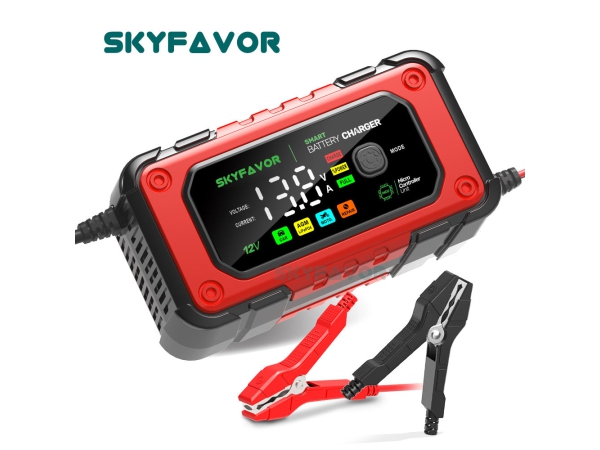
A good battery charger provides the base for batteries that are durable and perform well. In a price-sensitive market, chargers often receive low priority and get the “after-thought” status. Battery and charger must go together like a horse and carriage. Prudent planning gives the power source top priority by placing it at the begin...



 E-mail
 Whatsapp
 +86-13760182496